
IOC’s New Gender Eligibility Policy Sparks Global Debate as NZOC Urges “Respect and Care”
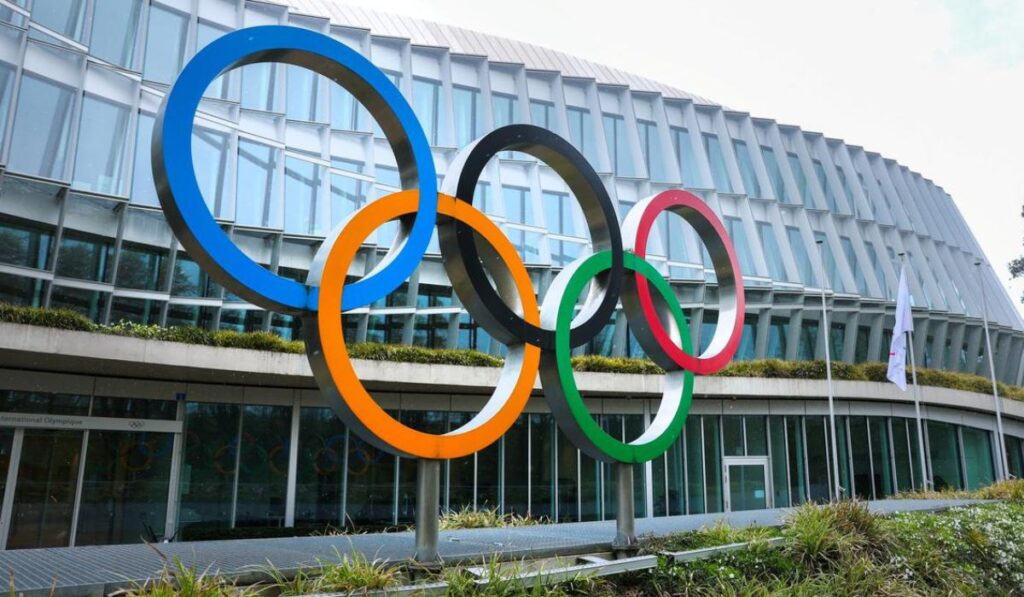
The New Zealand Olympic Committee has responded to the International Olympic Committee’s newly introduced policy on eligibility in women’s sport, acknowledging the depth of work behind it and stressing that its implementation will be handled with sensitivity. The IOC’s updated framework, released on Thursday, introduces genetic testing measures that are set to restrict transgender athletes and some individuals with Differences of Sexual Development (DSD) from competing in the female category at the Olympic Games. One immediate impact of the rule change is on Laurel Hubbard, who made history at the Tokyo Olympics 2020 as the first openly transgender athlete to compete in a different gender category than the one assigned at birth. Under the new guidelines, Hubbard would no longer qualify for the women’s division. NZOC chief executive Nicki Nicol emphasised that the policy was the result of extensive consultation. “We recognise the extensive consultation and expert input that has informed this policy to bring greater clarity, consistency and fairness to eligibility for the female category at the Olympic level,” Nicol said. She also highlighted the organisation’s cautious approach moving forward. “Our focus now is on understanding the policy fully and working carefully to ensure any next steps are approached with a clear understanding, respect and care. This is a complex and sensitive area that directly affects people, not just policy. We are committed to showing Manaaki (care) by supporting athletes’ wellbeing, privacy and dignity.” The IOC’s decision is based on findings from its working group, which concluded that biological males retain a performance advantage across all sports, with differences exceeding 10% in some cases and even higher in explosive events like weightlifting. The report also stated that there is currently no evidence to suggest that testosterone suppression or gender-affirming hormone treatments fully remove this advantage. “Current evidence does not show that testosterone suppression or gender-affirming hormone treatment eliminates this advantage,” the policy document noted. However, the policy has sparked strong opposition. Critics have questioned the scientific basis of the findings and raised concerns about the psychological impact on transgender athletes, as well as issues around fairness and privacy, particularly for those who may only discover a DSD condition after undergoing genetic testing. Australian advocacy group Pride Cup urged national federations to reject the framework. “It shifts the focus of women’s sport to exclusion by proposing genetic testing and stricter eligibility rules that do nothing to improve conditions for women in sport,” the group said. The Australian Olympic Committee, meanwhile, acknowledged the clarity the policy could bring while also recognising its human impact. President Ian Chesterman said, “This decision will be challenging for some athletes, and we are mindful of their welfare and well-being. We also acknowledge this decision does not apply to any grassroots or recreational sports programmes.” In France, the French Olympic Committee raised ethical and legal concerns, noting that genetic testing such as the SRY test would conflict with the country’s strict bioethics laws. Despite this, the IOC maintained that such testing is widely permissible. “Based on the International Federation experience, genetic screening for sex does not create significant problems in practice. It is legal in most countries, and athletes from countries where it is not permitted can be tested elsewhere,” the IOC stated. The debate now moves beyond policy into implementation, as sporting bodies worldwide grapple with balancing fairness in competition and the rights and dignity of athletes.
‘If He is in the Squad, He has to Play’; Ashwin Rejects Impact Role For Dhoni at CSK
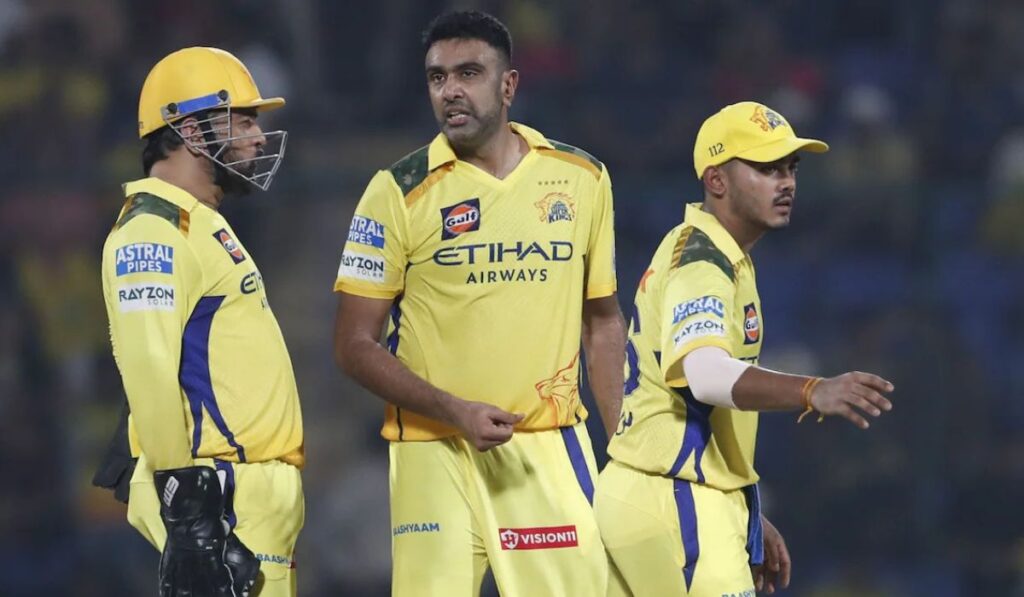
Ravichandran Ashwin has made his stance clear on MS Dhoni’s role at Chennai Super Kings, stating that the veteran should either play in the XI or not feature at all in the Indian Premier League 2026 season. “I do not agree that he has to stay on the impact list. If he is in the squad, he has to play. If he does not want to, he should not play the entire season, that is it. I am not in agreement with him being an impact player,” Ashwin said on his YouTube channel. The discussion around Dhoni’s role has gained momentum following the arrival of Sanju Samson, who gives CSK a strong wicketkeeping option. This has led to suggestions that Dhoni could be used as an Impact Substitute to manage his workload at 44. Ashwin, however, dismissed that approach entirely. “If you are making a CSK XI, and Dhoni is in the squad, the debate ends right there. He has to be in the XI. If he does not want to play, he would retire.” Dhoni, who stepped away from international cricket in 2020, continues to remain active in the IPL. His recent training sessions indicate he is preparing seriously for the season. “He has 100 per cent belief that he can play. He has been practising for the last three months. He is giving the message that he wants to play. If he wants to play, it is not possible to go tell him he cannot play,” Ashwin added. Former South Africa captain AB de Villiers believes Dhoni may no longer fit into the top six as a batter. With Samson strengthening the lineup, Dhoni is expected to continue in a lower-order role. Ashwin agreed partially but stressed that Dhoni’s importance goes beyond batting. “He is not your number six batter, that I will agree. But he can play a double role. He can be the on-field compass for Ruturaj Gaikwad.” He also highlighted Dhoni’s role in guiding the team, especially a developing bowling unit. “I think Dhoni will have a critical role in supporting this new bowling line-up on the field. Maybe this time, out of 14 matches, he will get to bat higher only in three or four games. Otherwise, he will come in at the end,” he said. “He can be the big brother in the team,” Ashwin concluded. As CSK gears up for the new season, Dhoni’s role may evolve, but his presence remains integral to the team’s balance and leadership on the field.
Khalid Jamil’s Side Restricted At Home Stadium Before AFC Asian Cup Qualifier
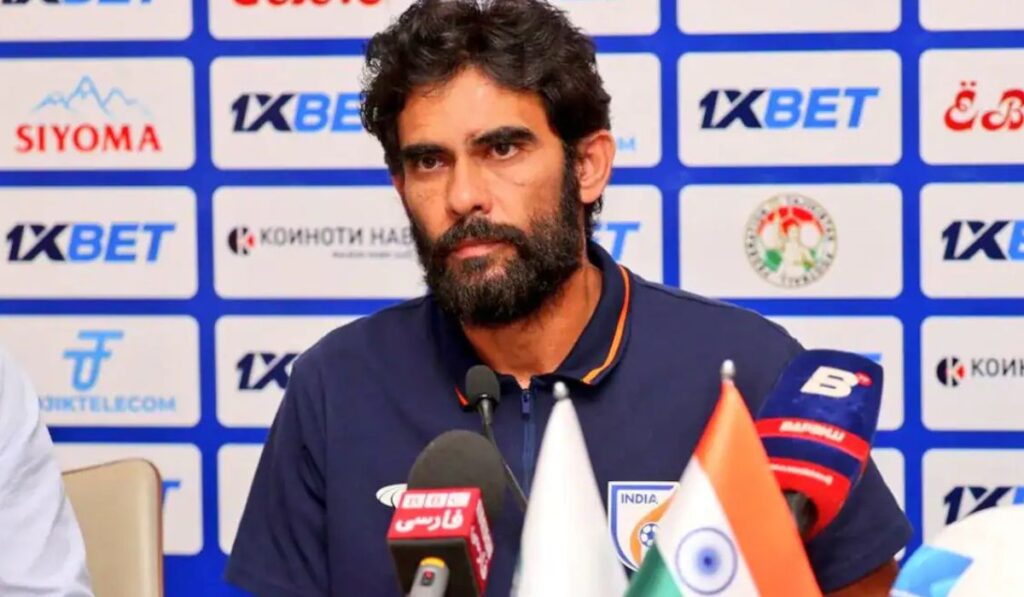
Indian football has landed in yet another controversy, this time off the pitch, as chaos unfolded in Kochi ahead of the national team’s AFC Asian Cup qualifier against Hong Kong. Head coach Khalid Jamil and several players were stopped from entering the Jawaharlal Nehru International Stadium due to a payment dispute, disrupting official pre-match commitments. The incident took place when the Indian team arrived for a scheduled press conference, their first appearance at the Kochi venue in nearly a decade. However, what should have been a routine media interaction quickly turned into confusion and embarrassment. Security personnel from the Greater Cochin Development Authority (GCDA) prevented entry for Jamil and players Ashique Kuruniyan, Sahal Abdul Samad, and Bijoy Varghese. Even members of the media were denied access, bringing preparations to a halt. Officials later pointed to unpaid dues as the reason behind the situation. Despite the disruption, Kerala Football Association (KFA) president Navas Meeran tried to calm tensions and insisted the issue was not serious. “The Asian Cup qualifier will go ahead as scheduled. What happened was just a minor technical issue, and it will be resolved soon,” Meeran said. Reports suggest that the GCDA demanded a security deposit ranging between ₹20–25 lakh, along with an additional ₹3 lakh as stadium rent, before allowing access. While GCDA officials stood firm on receiving full payment, the KFA reportedly asked for more time. This is not the first such incident at the venue. Earlier in February, the ISL club Kerala Blasters faced a similar situation and were also denied entry due to a payment dispute. The GCDA owns the stadium, but matches are organised through the KFA, a setup that once again exposed coordination issues between the two bodies.
Hardik Pandya Keeps His Promise, Honours Wankhede Groundsmen with Heartfelt Gesture
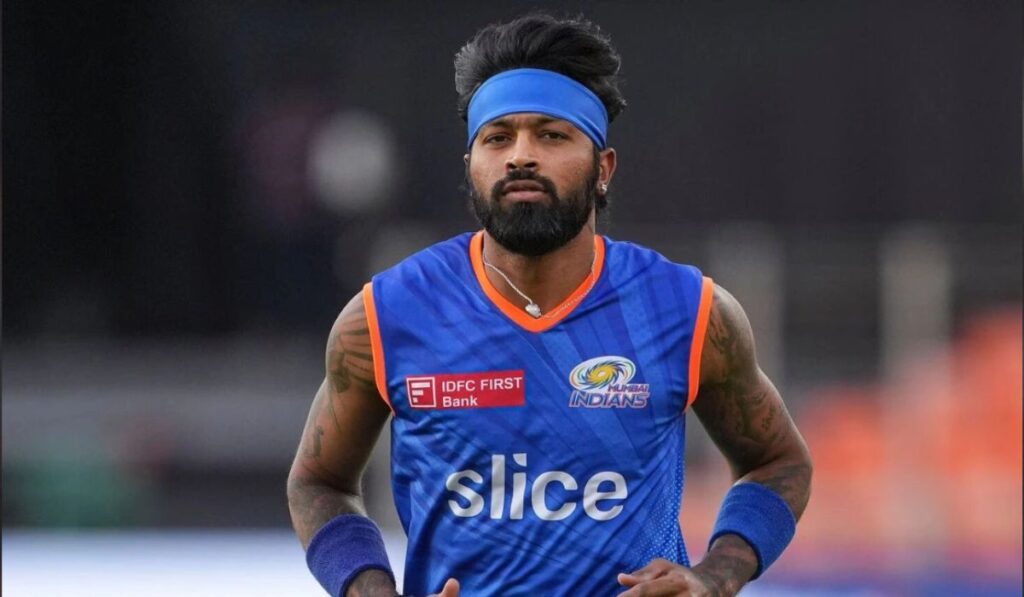
Hardik Pandya once again proved that his influence goes far beyond what he does on the cricket field, this time with a genuine act of gratitude toward the Wankhede Stadium groundsmen. The T20 World Cup-winning all-rounder kept a promise he had made months earlier, taking time out to personally reward them with gifts and financial support. In the lead-up to the ICC T20 World Cup 2026, Hardik spent long hours training at the Wankhede, often pushing his practice sessions late into the night. Throughout that period, the grounds staff made sure he had everything he needed without interruption. Hardik had acknowledged their efforts back then and promised to repay them. On Thursday, he followed through. He met the groundsmen, felicitated them, and handed out gifts and cash incentives as a token of appreciation for their dedication. That phase of preparation paid off. India went on to successfully defend their T20 World Cup title, defeating New Zealand by 96 runs in the final in Ahmedabad. Hardik played a crucial role throughout the tournament, contributing with both bat and ball. The victory also made him a two-time T20 World Cup champion, having been part of the 2024-winning squad. But it was this off-field gesture that stood out more, highlighting his respect for the people who work behind the scenes. This wasn’t an isolated incident. Over the years, Hardik has repeatedly shown support for teammates, fans, and others connected to the game, often without seeking attention. His teammate Jitesh Sharma shared one such instance during a podcast with Ranveer Allahbadia, recalling how Hardik reached out during a tough time. “Hardik bhai was the first one who messaged me when I wasn’t picked for the World Cup. He advised me just to keep growing as a person and as a cricketer. A lot of cricketers messaged me.” Jitesh also spoke about Hardik’s generosity and approachable nature. “Hardik Pandya is the most helpful guy I’ve met. I’ve not met anyone who gives more bats to kids than him, even without being asked. He even gave one to me once.” For Hardik, this was more than just a kind gesture. It was about honouring a promise he made during those long nights of training and recognising the people who stood by him when it mattered.