With less than 100 days remaining before the FIFA World Cup 2026 begins on June 11, preparations across host cities are entering a crucial phase. In Philadelphia, FIFA has adjusted its accommodation plans by cancelling around 2,000 hotel rooms it had previously reserved.
The move may sound significant, but it is part of a routine process. FIFA had initially blocked close to 10,000 rooms in the city. These bookings were made well in advance to avoid shortages during the tournament. The rooms were meant for match officials, technical crews, and operational staff who play a key role behind the scenes.
As the tournament draws closer, FIFA now has a clearer picture of its exact requirements. This has allowed the governing body to release excess inventory. Such overbooking and later adjustment is common for global events of this scale, where planning happens years in advance.
The cancellations have affected several hotels, especially in Centre City. However, local authorities are not overly concerned. Ed Grose, president and CEO of the Greater Philadelphia Hotel Association, said the process followed agreed terms and will not lead to penalties for FIFA.
He also struck a balanced note on the situation. “While we were not excited about that, it’s not the end of the world either,” Grose said. “These are rooms that are going to be put back out on the marketplace and sold to fans who want to come to Philadelphia.”
In fact, the development could benefit travelling supporters. With thousands of rooms returning to the market, fans may now find it easier to secure accommodation in a high-demand city during the World Cup.
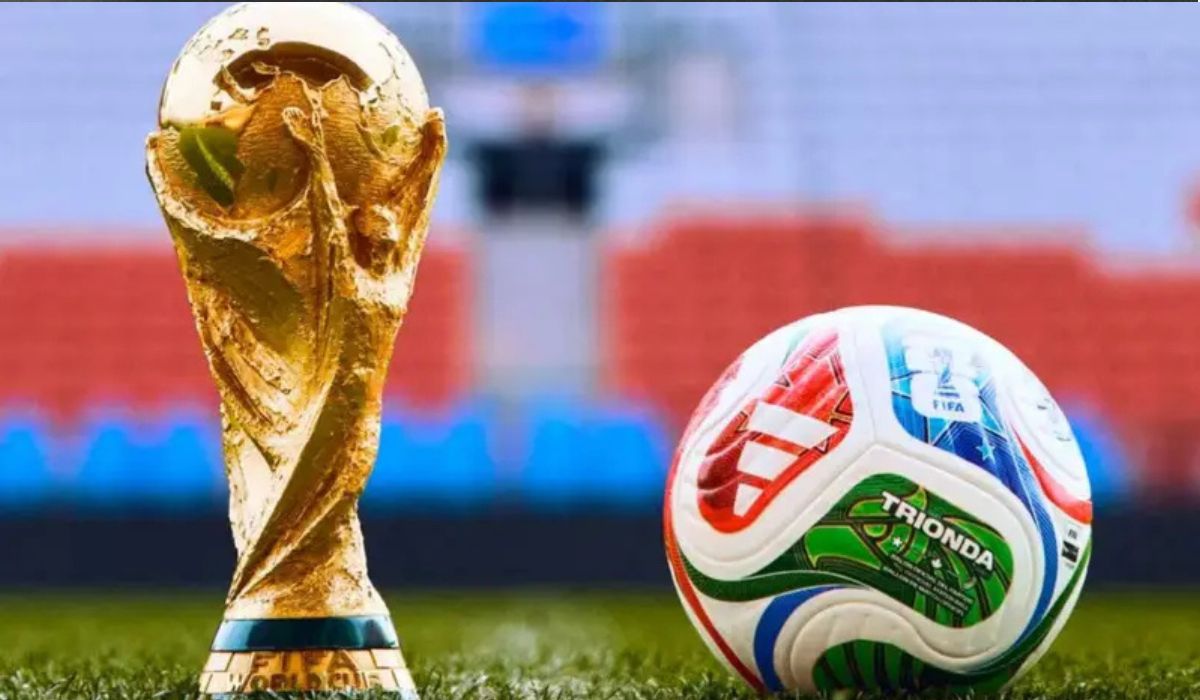
The 2026 edition will be historic. It will feature 48 teams for the first time and will be jointly hosted by the United States, Mexico, and Canada. A total of 104 matches will be played across North America, making it the largest World Cup ever.
In the United States, multiple cities will stage matches. The opening game on US soil is scheduled for June 12 in Los Angeles. Other host cities include Atlanta, Dallas, Boston, Houston, Kansas City, Miami, New York/New Jersey, Philadelphia, Seattle, and the San Francisco Bay Area.
With logistics being fine-tuned and demand expected to surge, cities like Philadelphia now shift focus toward welcoming fans from around the world.