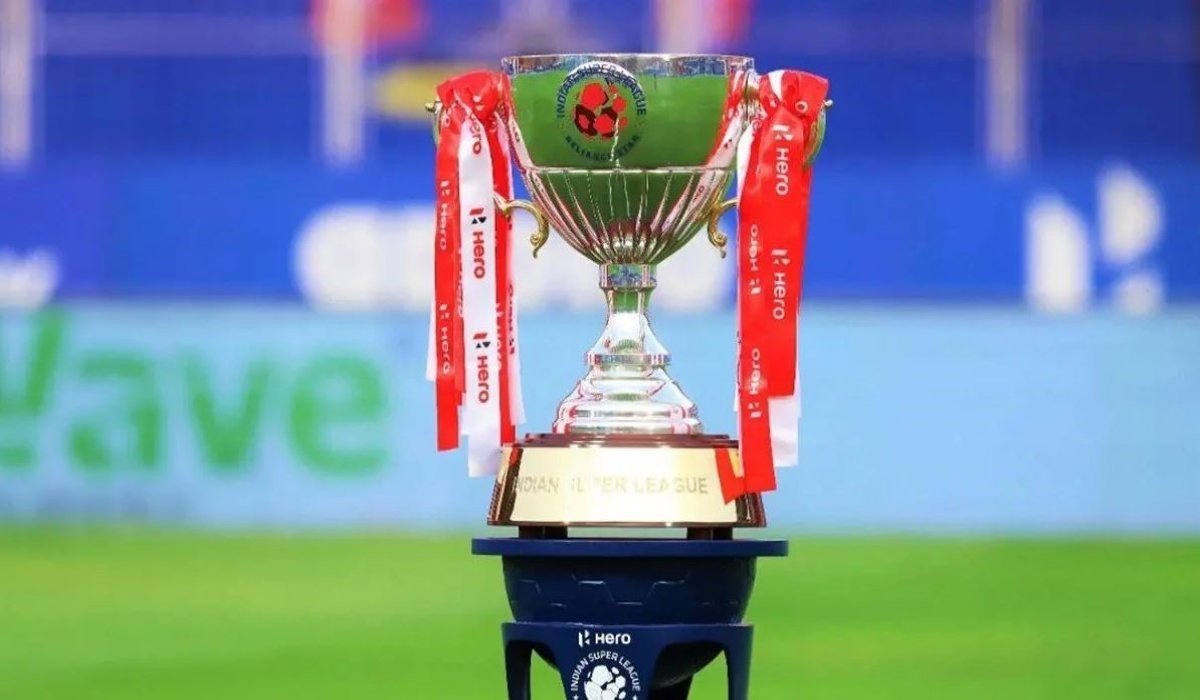
A growing rift is emerging between All India Football Federation and Indian Super League clubs, with several teams warning that they may reconsider their participation if the federation moves ahead with its proposed financial model.
During recent discussions with AIFF and representatives from the sports ministry, clubs were informed that, alongside the ongoing commercial tender process, an “entry fee” could be introduced from the next season. The move is understood to be aimed at compensating for revenue losses following the exit of the previous commercial partner.
Under the earlier arrangement, Football Sports Development Limited (FSDL) paid the AIFF approximately ₹50 crore annually while managing the league’s commercial rights and operations. In the current scenario, if Genius Sports secures the rights, the federation is expected to receive around ₹12.4 crore annually as administrative fees.
Club officials, however, have raised concerns about how the financial gap will be addressed. According to their understanding from the meeting, each of the 14 clubs may be required to contribute close to ₹3 crore as a participation or entry fee.
In a strongly worded communication to AIFF, clubs expressed serious reservations.
“It is deeply concerning that, rather than adopting a collaborative approach to rebuilding the league’s commercial framework, the current stance appears to treat ISL clubs as cost centres,” the clubs stated. “Should the proposed model be implemented in its current form, a significant number of ISL clubs will be compelled to reconsider their continued participation.”
Despite these concerns, AIFF has pushed back against claims of a fixed ₹3 crore fee per club. Deputy Secretary General M. Satyanarayan clarified the federation’s position.
“There will be some participation fee, but the idea is not to burden the clubs,” he said.
“We have to take the proposal to the executive committee and the general body before taking a final call. Whenever club owners want, we can also arrange a meeting with the AIFF president.”
Clubs, however, insist that the issue goes beyond just the fee. They have pointed to a lack of clarity on revenue generation and distribution under the proposed commercial framework.
“If clubs are being asked to invest further, there must be transparency on the commercial model, the cost structure, and the potential upside,” said Ravi Puskur.
Financial strain has already been a major concern. In the absence of central revenue this season, clubs have borne the full burden of operational expenses. These include player and staff salaries, matchday costs, and grassroots commitments. Many clubs claim that their losses have exceeded initial projections.
In their communication, clubs highlighted that these financial pressures were absorbed in good faith.
“These losses were taken on, including at the request of the sports minister and with assurances that the long-term sustainability of the league would be addressed,” the statement noted.
“Introducing an entry fee at this stage will only worsen an already difficult financial situation.”
The federation, on its part, has maintained that collaboration remains the way forward.
“The AIFF, clubs, and the commercial partner will have to work together to ensure the ISL grows into a viable venture for all stakeholders,” Satyanarayan added.
As discussions continue, the future structure of the Indian Super League remains uncertain. With financial viability, transparency, and long-term sustainability at stake, the coming weeks could prove decisive for the league and its stakeholders.